Building Topical Authority in AI Search: A Strategic Content Approach
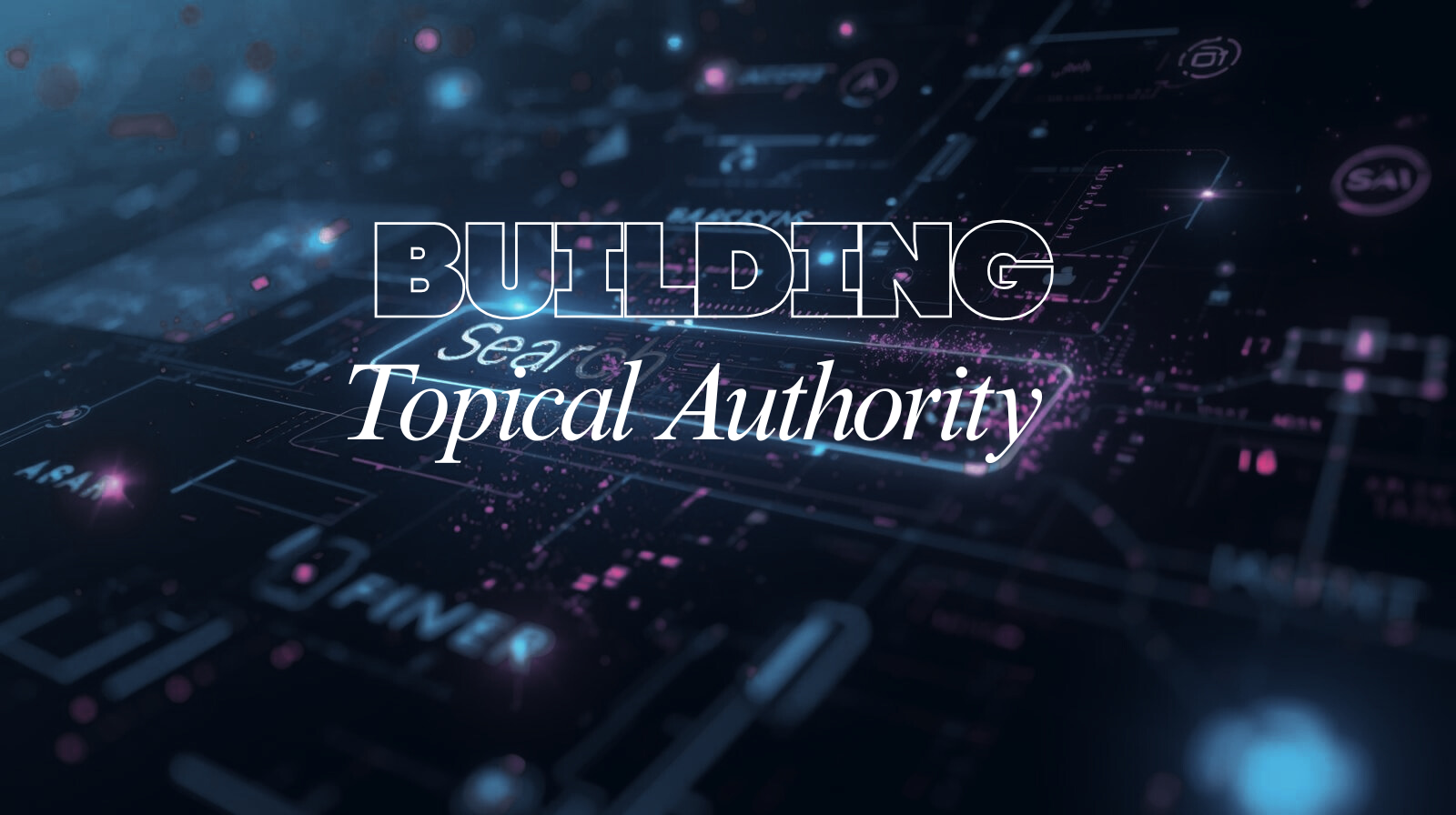
Building topical authority in AI search means becoming the obvious, trusted source on a focused subject so algorithms and users keep returning to your site instead of your competitors.
Why Topical Authority Matters Now
Modern SEO is shifting from chasing individual keywords to owning entire topics in depth. AI search, AI overviews, and chat-based engines prefer to pull answers from sites that look like true “topic experts,” not from scattered, one-off articles.
A step-by-step content strategy helps turn your site into a concentrated ecosystem around a few core themes—making it easier for AI systems to recognize and recommend you.
How AI Search Evaluates Content
Search has moved beyond simple keyword matching into understanding intent, entities (people, brands, concepts), and how pages relate within a topic. AI overviews and answer engines weigh multiple signals: depth of coverage, internal consistency, expertise, and off-site trust when choosing which sources to surface or summarize.
If your content is shallow, fragmented, or off-topic, AI systems are less likely to see you as a reliable authority, even if a few pages rank today.
Choose Your Core Topic Ecosystems
Start by selecting 2–4 “money topics” tightly aligned with your services, products, or most profitable problems you solve. These might be themes like “AI-driven SEO,” “local lead generation,” or “email lifecycle marketing,” depending on your niche.
Validate each topic with three lenses: audience pain points (what customers keep asking about), search demand (steady interest, not just short-term spikes), and competitor gaps (areas where others are weak, outdated, or overly generic).
Map Topic Clusters and Content Gaps
For each core topic, map a cluster: one pillar page plus multiple supporting pieces that cover subtopics. Audit your existing content to find overlaps (similar posts competing with each other) and gaps (questions AI would expect an expert to answer but you haven’t).
Your goal is to create a complete, non-redundant content map where each piece has a clear purpose and place in the cluster.
Design Authority-Focused Pillar Pages
A high-authority pillar page should act as the definitive guide to the topic. It typically includes clear definitions and core concepts, frameworks or processes users can follow, FAQs answering common questions and objections, and internal links to deeper, specialized articles and resources.
Use clear headings and question-based sections (“What is…”, “How does…”, “Why it matters”, “Common mistakes”) so AI systems can easily extract concise, quotable answers.
Create Depth With Supporting Content
Depth comes from publishing 10–30 high-quality supporting pieces around each pillar, not from repeating the same idea. Mix formats to cover different search intents: how-tos and step-by-step guides, comparisons and “X vs Y” posts, mistakes, myths, and FAQs, plus tool roundups, templates, glossaries, and case studies.
Together, these posts show AI that you understand the topic from strategy to execution, beginners to advanced use cases.
Strengthen Internal Links and Architecture
Internal links turn isolated posts into a coherent topic network that algorithms can crawl and understand. Always link supporting posts back to the pillar with descriptive anchor text. Interlink closely related cluster posts so crawlers see contextual relationships. Use clear navigation, breadcrumbs, and avoid orphan pages with no internal links.
A clean architecture helps both users and AI discover and trust more of your content across the same topical area.
Add Entity Signals and E-E-A-T
AI systems lean heavily on entity understanding (brands, people, products, locations) and perceived experience, expertise, authority, and trust (E-E-A-T). Strengthen these signals by using consistent brand and author names across your site and profiles, adding rich author bios with credentials, roles, and specialties, and supporting claims with credible sources, case studies, and data.
Testimonials, reviews, and social proof also reinforce that your expertise is recognized beyond your own site.
Optimize for AI Overviews and Answer Engines
AI overviews and answer engines often surface content that is easy to parse and re-use. Make your content “AI-friendly” by including concise summaries or “Key takeaways” sections, using bullet lists and tables for comparisons and steps, and adding Q&A blocks targeting “what,” “how,” “why,” and “step-by-step” queries.
This structured writing increases the likelihood of your content being quoted, summarized, or referenced in AI responses.
Promote Content to Earn Mentions and Links
On-site depth is not enough; off-site signals (mentions, citations, and backlinks) still play a big role in topical authority. Pitch digital PR stories and expert quotes to relevant industry sites. Partner on webinars, podcasts, or co-written guides. Share and repurpose your best pieces across social, newsletters, and communities.
These references help AI systems see your brand mentioned in the same context across the web, reinforcing your expertise.
Measure Topical Authority Growth
Instead of tracking only single-page rankings, monitor performance at the topic-cluster level. Key indicators include ranking spread (more URLs from your site ranking for many related queries), long-tail and question-based impressions increasing around your core themes, and growth in “brand + topic” searches and richer SERP features (snippets, FAQs) for your content.
These patterns show that search systems recognize your site as a go-to source in that niche, not just for one keyword.
Iterate and Refresh for AI Relevance
Topical authority is not “set and forget.” AI and search expectations evolve with new trends, tools, and user questions. Regularly update pillars with new sections, examples, and fresher data. Refresh or expand key supporting posts that drive traffic or conversions. Prune or merge thin, overlapping content that dilutes your clusters.
Keeping your ecosystem clean and current helps AI systems maintain confidence in your site as a reliable, up-to-date authority.
Common Mistakes That Block Topical Authority
Several patterns repeatedly hold sites back: chasing too many unrelated topics instead of going deep on a focused set, publishing thin or surface-level posts that add little beyond what already exists, and weak internal linking and inconsistent brand/entity signals across pages and profiles.
Ignoring off-site reputation, no mentions, no reviews, no citation in relevant communities also makes it harder for AI to trust your content.
Becoming the Default Answer in Your Niche
Topical authority is built by creating focused content ecosystems, not by publishing random one-off posts whenever you have time. By choosing a core topic, mapping a cluster, strengthening entity and E-E-A-T signals, and continuously updating and promoting your content, you position your site as the default answer for both humans and AI.
If you need expert guidance implementing these strategies, working with experienced professionals can accelerate your results. Digital marketing services in Islamabad can help you build comprehensive topic clusters and establish lasting authority in your niche.
Start with one high-value topic, walk through this entire process end-to-end, then repeat for the next theme once you see cluster-level traction in search and AI-powered experiences. For businesses specifically looking to dominate local search while building topical depth, specialized SEO services in Pakistan offer the technical expertise and strategic content planning needed to succeed in today’s AI-driven search landscape.