How to Become the Source AI Systems Trust and Quote
AI assistants, overviews, and answer engines now sit between users and your website. If you want sustainable traffic and leads, your goal is no longer just “rank a blog post.” It’s to become the source those AI systems rely on and cite in their answers.
Why Being “the Source” Matters Now
AI search experiences increasingly show synthesized answers at the top, with fewer classic blue links getting clicked. When your content is used as a trusted source, you can still win visibility, brand recognition, and downstream clicks, even in a zero-click world.
The strategy below walks through how to evolve from publishing isolated blog posts to building structured, credible resources that AI systems recognize, understand, and reuse.
How AI Systems Find and Choose Sources
Modern AI systems crawl the web, ingest documents, and build internal knowledge graphs that link topics, entities, and sources together. When a user asks a question, the model searches this graph for content that is:
- Clear and well-structured
- Topically authoritative (many strong pages on the subject)
- Fresh and up-to-date
- Backed by signals of expertise and trust
Generic, derivative pages that repeat what others already say are less likely to be chosen, even if they are technically “SEO optimized.”
Choose Topics Where You Can Be a True Authority
AI systems are more likely to cite sites that look like real specialists, not generalists. Instead of chasing every trending keyword, pick a small number of focused, high-value topic areas that:
- Directly align with your services, products, or offers
- Match recurring questions and pain points from your audience
- Have enough demand to matter, but are narrow enough that you can cover them deeply
For example, a generic “digital marketing” blog is weak. But “AI-driven SEO for local businesses” can become a clear authority niche if you build consistently around it. This approach works especially well for agencies serving specific geographic markets or industries.
Turn Articles Into Topic Hubs, Not One-Off Posts
AI models look for clusters of related content, not just single posts floating on their own. That’s where content hubs (also called pillar pages) come in.
A pillar page is a comprehensive, evergreen guide that explains the whole topic at a high level. Supporting cluster posts cover narrower subtopics: tools, tactics, mistakes, case studies, FAQs, comparisons, etc.
When these posts are tightly interlinked, AI systems can see a dense topical “neighborhood” on your site. This signals that you’re a serious resource on that subject.
Structure Content So It’s Easy to Quote and Reuse
AI answer engines work best with content that’s easy to parse and chunk. To help them, design your articles with:
- Clear H2/H3 headings that match common queries (“What is X?”, “How does X work?”, “Pros and cons of X”)
- Short paragraphs and bullet lists for definitions, steps, and tips
- Q&A blocks where each question is followed by a concise, direct answer
- “Key takeaways” or TL;DR sections summarizing main points in a few lines
This structure also helps human readers scan and improves your chances of earning classic featured snippets and “People Also Ask” placements.
Add Strong Entity and Context Signals
AI systems rely heavily on entities (recognizable “things” like people, brands, products, and places) to understand context and relationships. Your content should reinforce:
- Who you are: brand and authors with consistent names and descriptions
- What you do: services, products, niche in clear, repeated language
- Which tools, industries, and locations you specialize in
On-page, this means using consistent terminology, clearly naming frameworks or methods, and explicitly stating the niche or context. Don’t just say “SEO services.” Say “SEO for e-commerce businesses” or “local search optimization for professional services” to give AI systems clear signals about your expertise.
Over time, this helps AI connect your brand entity with specific topics in its knowledge graph.
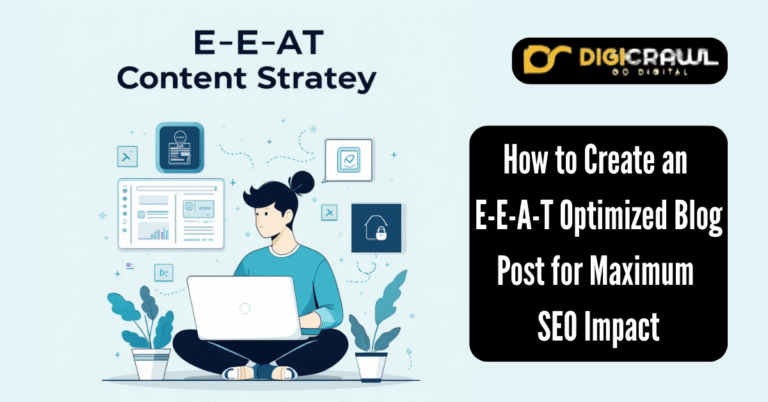
Bake E-E-A-T Into Your Content
Google’s latest Helpful Content and E-E-A-T guidance makes it clear: experience, expertise, authoritativeness, and trust are central to evaluation, regardless of whether AI helped write the draft. To meet that bar:
- Include author names with short bios explaining why they’re qualified to write on this topic
- Add first-hand experience: case studies, screenshots, process walkthroughs, and real results from your work
- Cite credible sources (studies, official docs, recognized experts) where appropriate
- Make your brand and contact information easy to find so you don’t look anonymous
These elements differentiate your content from mass-produced AI text that has no real owner or lived experience behind it.
Optimize for Snippets and AI Overviews Together
AI overviews and classic featured snippets share a lot in common. They favor clear, direct answers in well-structured pages. To win both:
- Target question-based and intent-based keywords (“how to…”, “best way to…”, “X vs Y”) in your headings
- Give a short, precise answer immediately under the heading, then expand with detail
- Use comparison tables and bullet lists where appropriate (these are easy for models to reuse)
By doing this, you improve your odds of being the snippet source, the AI overview source, or both. You’ll capture visibility even when users see synthesized answers first.
Use Schema and Technical SEO to Clarify Meaning
Technical clarity makes it easier for AI and search crawlers to interpret your content correctly. Helpful technical steps:
- Add appropriate structured data (schema) to key pages: Article, FAQPage, HowTo, Organization, Product, etc.
- Ensure titles, URLs, and headings all align clearly with the main question or topic of the page
- Maintain fast, mobile-friendly pages with clean internal linking and no major crawl or index issues
Schema and solid technical SEO don’t guarantee citations by themselves, but they reduce ambiguity and help AI systems trust your content more.
Earn Mentions and Links That Reinforce Your Authority
Off-site signals still matter a lot. When other reputable sites mention and link to your content around a specific topic, AI systems treat that as a vote of confidence. Strong, practical ways to earn those signals include:
- Writing guest contributions or expert columns on relevant industry sites
- Offering quotes or data to journalists and newsletter writers
- Appearing on podcasts, webinars, or panels around your core topics
- Participating in niche communities and Q&A platforms with genuinely helpful answers that point back to your best resources
These mentions help AI see your site referenced in the same topical context across the web, reinforcing that you’re a legitimate authority.
Repurpose Posts Into AI-Friendly Micro Assets
AI models encounter your brand across many surfaces: web pages, social posts, videos, and more. Repurposing helps you saturate those touchpoints with consistent expertise.
Extract key definitions, tips, and processes from your articles and turn them into short posts, carousels, or email snippets. Use your own content as source material for short-form videos and scripts. Maintain consistent phrasing around your main frameworks or opinions so that AI can connect the dots.
The more often your brand appears saying the same clear things about a topic, the easier it is for AI to associate your name with that domain of knowledge.
Monitor Which Pages Are Becoming “Sources”
You won’t always see a direct “cited as source” label, but you can watch indirect signs that your content is being used as an answer reference. Indicators include:
- Rising impressions and clicks for question-style queries, even if average position fluctuates
- Increased traffic to pillar pages that target broad questions or definitions
- More branded + topic searches (e.g., “your brand + AI SEO”)
Review these pages regularly. Update them with fresh data, add more FAQs, improve examples, and strengthen internal linking so they stay the “best possible answer” AI could choose.
Common Mistakes That Keep AI From Citing You
Several patterns make it unlikely that AI systems will rely on your content, even if it’s technically optimized:
- Publishing lots of thin, overlapping posts with no clear pillar or hub
- Writing vague, clickbait titles that don’t match what the article truly answers
- Hiding author identity and never showing real experience or results
- Copy-pasting unedited AI drafts without fact-checking, structure, or E-E-A-T elements
Avoiding these traps is often as powerful as adding more content. In many cases, consolidating and upgrading what you already have works better than starting from scratch.
Think Like a Teacher, Not Just a Blogger
AI systems are trained to find teachers: the clearest explainers, the most reliable guides, the sources that help users succeed. If you create content like a teacher rather than a traffic-chaser, you naturally:
- Define concepts plainly
- Show steps and examples
- Anticipate follow-up questions and answer them in the same hub
That’s exactly the kind of material AI assistants prefer to quote and summarize.
Whether you’re building content in-house or working with experienced teams, implementing these strategies requires both time and technical knowledge. If you need support executing this approach, Digital Marketing Services in Islamabad can help you develop content hubs that AI systems recognize as authoritative sources. The right partnership ensures you’re not just creating content, but building lasting visibility in an AI-driven search landscape. For businesses looking to strengthen their search presence specifically, SEO services in Pakistan that understand these evolving dynamics can accelerate your path to becoming a trusted source.
Your Next Step
Pick one core topic your business should be known for. Turn your best article on that topic into a true pillar with strong structure, E-E-A-T, and clear entities. Then build and interlink supporting posts around it.
Over time, you’re not just writing blog posts. You’re training the AI systems of 2026 and beyond to see your content as the source.